

Blog
Enhance Your Garden with Elegant Glazing Bars and Pergolas

Comprehensive Guide to Aluminium and Self-Supporting Glazing Bars for Commercial Installation and Maintenance
Glazing bars are the slender structural profiles that support glazing panels in roofs, conservatories, and sheltered commercial spaces; they distribute loads, secure seals, and define the roof geometry. This guide explains aluminium and self-supporting glazing bars, how they function structurally and thermally, and why facilities managers prioritise them for commercial installation, maintenance, and cleaning. Many commercial properties face issues such as leaks, thermal inefficiency, and high maintenance overheads; understanding glazing bar selection and care reduces operational risk and extends asset life. You will learn what glazing bars are, benefits of aluminium, differences between self-supporting and rafter-supported systems, the professional installation process, maintenance and repair workflows, and cleaning frequency and methods for glazed roofs and verandas. Throughout, the content uses terms facilities teams recognise—U-value, thermal breaks, seals, and fixings—and offers practical lists, EAV comparison tables, and service-oriented next steps for procurement and upkeep.
Aluminium & Self-Supporting Glazing Bars – Glazing Systems Ltd
Glazing bars are linear support members that hold glazing panels in place, manage load transfer, and integrate sealing systems to create weatherproof glazed roofs. They work by combining structural stiffness with gasketed interfaces, enabling glass or polycarbonate panels to span between supports while shedding water and resisting wind loads. The direct benefit is a controlled, durable glazed surface that protects interiors, delivers daylight, and contributes to energy performance through compatible thermal elements. Understanding these functions helps facilities managers specify the correct material and system for commercial conditions, ensuring reliable service life and easier maintenance.
What defines glazing bars and their role in glazed roofs and conservatories?
Glazing bars are the framed components—profiles of aluminium, PVC, timber, or steel—that support glazing and form the visible ribs across a glazed roof. They define the geometry of conservatories, verandas, pergolas, and carports, provide secure fixings for glazing panels, and integrate gaskets, caps, and flashings. In practice, glazing bars are specified to match panel type (glass or polycarbonate), span length, and desired weather rating, and they interface with support rafters or form self-supporting spans. Clear specification reduces site rework and ensures compatibility with thermal breaks and drainage details.
How do glazing bars contribute to structural integrity and weatherproofing?
Glazing bars transfer wind and snow loads into supporting structures via dedicated fixings and bite plates, while integrated seals and drainage channels prevent water ingress and manage condensation. Mechanical fixings and compression gaskets create continuous weatherproof lines; thermal breaks and correctly specified capping reduce thermal bridging. The result is a glazed assembly that is both load-bearing and weather-resistant, reducing the risk of leaks and material degradation. Attention to sealing detail and drainage design directly reduces maintenance calls and unplanned repairs.
What are the common materials used in glazing bars: aluminium, PVC, timber, and steel?
Different materials offer trade-offs across durability, maintenance, and cost, and the right choice depends on exposure, load, and lifecycle priorities. Aluminium provides corrosion resistance and high strength-to-weight ratio; PVC is cost-effective and low-maintenance for light-duty applications; timber offers traditional aesthetics but needs more upkeep; steel gives high strength but requires robust protection against corrosion. Facilities teams select materials based on expected lifespan, aesthetic goals, and compatibility with glazing types to balance upfront cost and total cost of ownership.
How do glazing bar types differ: self-supporting, rafter-supported, and composite systems?
Self-supporting glazing bars form a continuous load-bearing framework where the bars and associated capping carry panel loads directly across spans without external rafters. Rafter-supported systems rely on structural rafters or purlins beneath glazing bars to carry loads. Composite systems combine materials—such as aluminium bars over timber rafters—to balance aesthetics and strength. Self-supporting designs reduce substructure needs and can simplify installation, while rafter-supported systems offer greater flexibility for heavy loads and complex roof junctions. Choosing between them depends on span, load specification, and site constraints, with each approach requiring different detailing for seals and drainage.
For commercial clients who need a tailored assessment, expert survey and specification can clarify the best material and system for a given site. Expert advice and consultation on glazing bar solutions for various commercial and residential structures. Requesting a site survey helps align performance requirements with the correct glazing bar type.
What Are the Benefits of Aluminium Glazing Bars for Commercial Properties?
Aluminium glazing bars deliver high strength with low weight, resisting corrosion and requiring minimal routine maintenance while providing design flexibility for commercial façades and roofs. The mechanism behind this advantage is aluminium’s material properties—a favourable strength-to-weight ratio and compatibility with powder coatings and thermal break inserts—that produce long service life and predictable performance. Commercial clients see benefits in reduced downtime, lower inspection frequency, and improved thermal control when aluminium is paired with insulated glazing and thermal breaks. Below are core benefits presented for quick decision-making and procurement.
The Durability and Service Life of Aluminium in Architectural Applications
The durability of this aluminium architecture should be recognised and celebrated. The timescales for the durability of aluminium are such that the service life of aluminium windows, used by
Aluminium and Durability: reviewed by inspection and testing, 2015
Aluminium glazing bars offer several commercial advantages:
- Durability and Low Maintenance: Corrosion-resistant profiles reduce repair frequency and lifecycle costs.
- Structural Performance: High strength-to-weight ratio enables longer spans and slimmer sightlines.
- Thermal Compatibility: Can incorporate thermal breaks to improve U-values and reduce energy loss.
These benefits make aluminium a preferred hyponym within glazing systems where long-term performance and minimal maintenance are priorities; the next subsections expand on each advantage and lifecycle considerations.
Why is aluminium preferred for durability and low maintenance in glazing bars?
Aluminium resists corrosion when correctly coated, which reduces structural degradation in commercial environments and cuts routine maintenance needs. Its lightweight character lowers load on supporting structures and allows for larger glazed areas with slimmer profiles. For facilities managers, this translates into fewer interventions for rust treatment or repainting compared with steel, and less frequent seal replacement compared with timber. The practical maintenance checklist for aluminium bars includes periodic seal inspection, gutter clearing, and touch-up of damaged coatings to preserve performance.
How do aluminium glazing bars improve thermal performance and energy efficiency?
When aluminium glazing bars include thermal breaks—insulating inserts separating inner and outer aluminium skins—they substantially reduce thermal bridging across the frame. This mechanism directly improves the U-value of the glazed assembly and, combined with appropriate glazing, contributes to overall building energy performance. For buildings seeking better operational efficiency, specifying thermal-break aluminium bars with insulated glass can lower heating and cooling loads and support compliance with energy performance targets. Decision-makers should evaluate whole-roof U-values rather than frame-only metrics for accurate assessments.
What makes aluminium glazing bars cost-effective for long-term commercial use?
Total cost of ownership favours aluminium because lower maintenance and longer service intervals offset higher initial material costs in many commercial scenarios. Reduced downtime for repairs and predictable lifecycle replacement cycles enable more reliable budgeting and less business disruption. When comparing lifecycle cost, factor in maintenance labour, seal and gasket replacements, and potential energy savings from improved thermal performance. The EAV table below summarises lifecycle and cost perspectives to aid facilities budgeting.
How do aluminium glazing bars compare to PVC and timber in commercial applications?
Aluminium typically outperforms PVC and timber for commercial glazing where strength, long spans, and low maintenance are required; PVC suits small-scale, sheltered installations while timber favours heritage or aesthetic-led projects that accept higher upkeep. Aluminium’s advantages in durability and compatibility with thermal breaks make it suitable for retail canopies, verandas, and glazed roofs on business premises. Facilities managers should prioritise aluminium for high-traffic or exposed locations and reserve PVC or timber for lower-risk, budget-sensitive installations. The following list summarises recommended choices by application.
- Retail canopies and large façades: Aluminium preferred for spans and durability.
- Sheltered domestic-type conservatories: PVC can be acceptable for lower loads.
- Heritage or aesthetic-focused projects: Timber chosen for appearance with maintenance plans.
Choosing the right material reduces ongoing operational costs and simplifies compliance with weatherproofing and energy requirements.
How Do Self-Supporting Glazing Bars Simplify Commercial Installation?
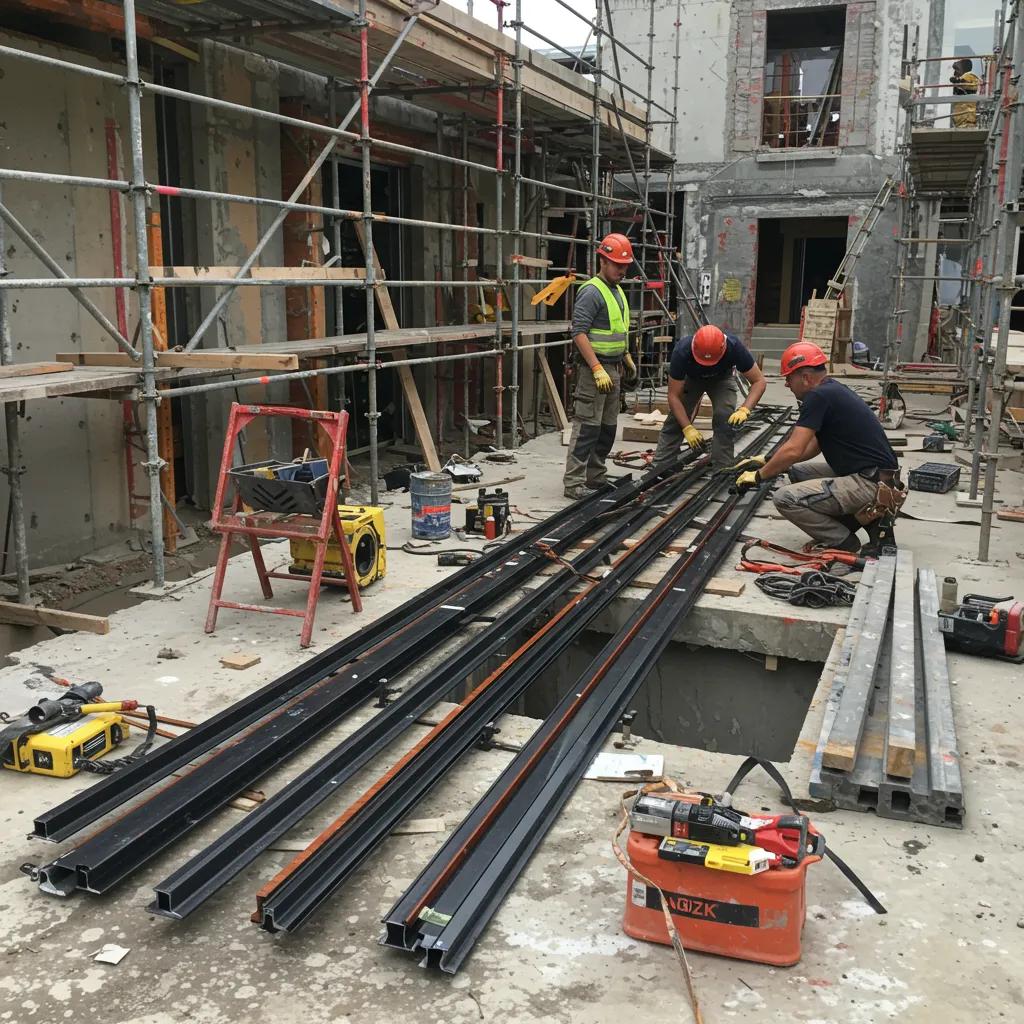
Self-supporting glazing bars create a system where the bars and their cappings form a load-bearing framework, reducing the need for separate rafters and supporting structures. The mechanism simplifies installation by using pre-engineered spans and standardised fixings, which lowers on-site labour and speeds up assembly. For commercial projects this reduces programme risk and often shortens handover time while maintaining weatherproofing performance when correctly detailed. The following subsections explain technical distinctions, installation savings, best-use cases and common mitigation for typical challenges.
What distinguishes self-supporting glazing bars from rafter-supported systems?
Self-supporting systems carry glazing loads within the bar and cap assembly itself, whereas rafter-supported systems rely on a secondary substructure to bear load. This structural independence lets self-supporting bars span greater distances with fewer supporting members. The trade-off is that self-supporting designs require precise engineering for wind and snow loads and careful sealing at intersections. Facilities teams should weigh the reduced substructure complexity against bespoke engineering requirements and choose the system that matches load conditions and building codes.
The Durability and Service Life of Aluminium in Architectural Applications
The durability of this aluminium architecture should be recognised and celebrated. The timescales for the durability of aluminium are such that the service life of aluminium windows, used by
Aluminium and Durability: reviewed by inspection and testing, 2015
The design and construction of self-supporting facades, particularly those with wide spans, often involve innovative structural approaches to achieve the desired aesthetic and functional outcomes.
Glass Structures: Design and Construction of Self-Supporting Facades
The aim of this work is therefore to reveal new approaches to structural forms for contemporary glass construction of building facades and load-bearing roof structures with wide spans.
Glass structures: design and construction of self-supporting skins, J Wurm, 2007
How does self-supporting design reduce installation time and costs?
By eliminating or minimising secondary rafters and purlins, self-supporting systems reduce material quantities and simplify assembly sequences, cutting labour hours and foundation or support works. Pre-fabricated bar modules and standardised fixings further speed installation, enabling predictable site programmes. These efficiencies translate into lower on-site labour costs and reduced disruption to building operations. For a practical approach, contractors should stage deliveries to match site access and ensure sealant and gasketwork follow thermal and weather windows.
Which commercial structures benefit most from self-supporting glazing bars?
Self-supporting glazing bars suit retail canopies, lightweight carports, verandas and modular conservatory-style roofs where spans are moderate and rapid installation is advantageous. They perform well on projects seeking minimal visible structure and fast fit-out, such as café terraces, shopfront awnings and indoor atria covering. However, heavy snow load locations or complex junctions may still favour rafter-supported systems. Assessing building use, loading, and exposure ensures correct selection for both performance and cost.
What are the common challenges and solutions in installing self-supporting glazing bars?
Common issues include span limitations, ensuring effective sealing at joins, and providing adequate drainage paths to avoid ponding. Mitigations span engineered span tables, specifying high-quality gaskets and capping systems, and designing continuous fall and drainage channels. Professional pre-installation surveys and load checks help identify potential problem areas before fabrication. Including quality assurance checkpoints during installation—such as torque checks for fastenings and visual inspection of seal compression—prevents rework and supports long-term performance.
What Is the Professional Glazing Bar Installation Process for Commercial Projects?
Professional glazing bar installation begins with a detailed consultation and site survey, progresses through precision fabrication and staged installation, and concludes with commissioning documentation that supports warranty and maintenance planning. The mechanism ensures that load, environmental exposure and aesthetic requirements are translated into a specific system design, correct material selection and installation sequence. Facilities teams benefit from reduced defects, compliant installations and clear documentation for future maintenance. Below are the critical steps, consultation checklist and compliance considerations that characterise professional delivery.
How does expert consultation ensure the right glazing bar system selection?
Expert consultation includes site surveys, load analysis, exposure assessment and material compatibility checks to determine the appropriate glazing bar system and glazing type. The process evaluates span requirements, wind and snow loads, thermal performance targets and interface details with the existing structure. A consultation checklist typically covers site dimensions, drainage routes, desired daylighting, and maintenance access. These inputs reduce specification errors and align procurement with operational goals for durability and energy efficiency.
What are the key steps in precision glazing bar installation?
- Survey & specification: Confirm loads, spans and detailing.
- Fabrication & inspection: Pre-check components before delivery.
- Installation & QA: Align, fix, seal and test assemblies.
- Commissioning & documentation: Provide handover records for maintenance.
These steps form a repeatable workflow that institutions can rely on for consistent results.
How does professional installation guarantee compliance and warranty coverage?
Certified installers follow applicable standards, produce installation records and provide evidence of material and workmanship conformity to secure warranty coverage. Compliance typically involves meeting structural and safety standards, inspection of fixings and seals, and supplying documentation for future servicing. Proper installation reduces the risk of premature failure and ensures that warranties on materials and workmanship remain valid. Facilities managers should request installation records and conformity notes at handover.
Can you see examples of successful commercial glazing bar installations?
Professional project summaries focus on scope, solution selected and measurable outcomes such as reduced leakage incidents, faster installation times and improved thermal performance. Case examples often highlight where self-supporting aluminium bars reduced substructure needs, or where thermal-break systems delivered measurable U-value improvements. Imagery and simple metrics—span, coverage area, and change in maintenance calls—help demonstrate value to stakeholders. Including these performance metrics in procurement documentation aids decision-making for similar projects.
For commercial projects requiring full installation services, professional installation services for diverse glazing bar systems, ensuring structural integrity and longevity. Requesting detailed installation quotes early in procurement helps align budgets and timelines.
How Can Commercial Glazed Structures Be Maintained and Repaired Effectively?
Effective maintenance and repair focus on early detection of leaks, corrosion management and timely replacement of seals and fixings to preserve structural integrity and prevent water ingress. The mechanism is regular inspection paired with targeted interventions—seal replacement, re-bedding of capping and selective component replacement—so that small defects do not escalate into expensive failures. Facilities managers can choose scheduled inspection programmes or maintenance contracts to reduce emergency repairs. The following subsections identify common issues, repair workflows and the benefits of preventative contracts.
What are the most common glazing bar issues: leaks, corrosion, and damage?
Typical problems include water ingress at joints and perimeters caused by failed gaskets, corrosion on metal fixings, and physical damage to capping from impact or thermal movement. Early symptoms are localized staining, damp spots beneath glazing and visible seal compression loss. Rapid triage involves inspecting drainage paths, gasket continuity and fixing security to identify root causes. Addressing these issues early reduces secondary damage to internal finishes and avoids costly panel replacements.
This EAV-style table helps facilities teams triage common failures and align repair responses with preventative measures. Regular inspections target these failure modes to prevent escalation.
How do specialised glazing bar repair services restore structural integrity?
Specialist repair workflows begin with diagnostic surveys to locate failed seals, corroded fixings or damaged profiles, followed by targeted interventions: seal replacement, local profile replacement or full bar swaps when necessary. Repair timelines vary with scope but prioritise restoring weatherproofing and structural continuity first. Where replacement is required, matching material and finish is important to preserve aesthetics and performance. Guarantees on repair work and clear documentation help facilities teams plan subsequent maintenance.
Why are regular structural checks and preventative maintenance critical?
Scheduled inspections detect early wear, ensuring small defects are addressed before they cause leaks, mould or structural deterioration, which are costlier to remediate. Preventative maintenance improves uptime, reduces emergency call-outs and provides predictable budgeting through planned interventions. Recommended inspection intervals depend on exposure and usage but typically include visual checks after severe weather and annual inspections for seals and drainage. Planning these checks into a maintenance calendar supports asset longevity and regulatory compliance.
How do maintenance contracts benefit commercial property owners?
Maintenance contracts deliver predictable service levels, scheduled inspections, priority response and bundled cleaning or repair services that reduce administrative overhead for property owners. Contracts can include regular seal checks, cleaning schedules and priority repair windows, which are valuable for critical facilities and high-footfall properties. Comprehensive facilities maintenance contracts specifically covering glazed structures and their components. Contractual arrangements provide budget certainty, rapid response and long-term asset protection to commercial stakeholders.
Why Is Professional Cleaning Essential for Glazing Bars in Commercial Settings?
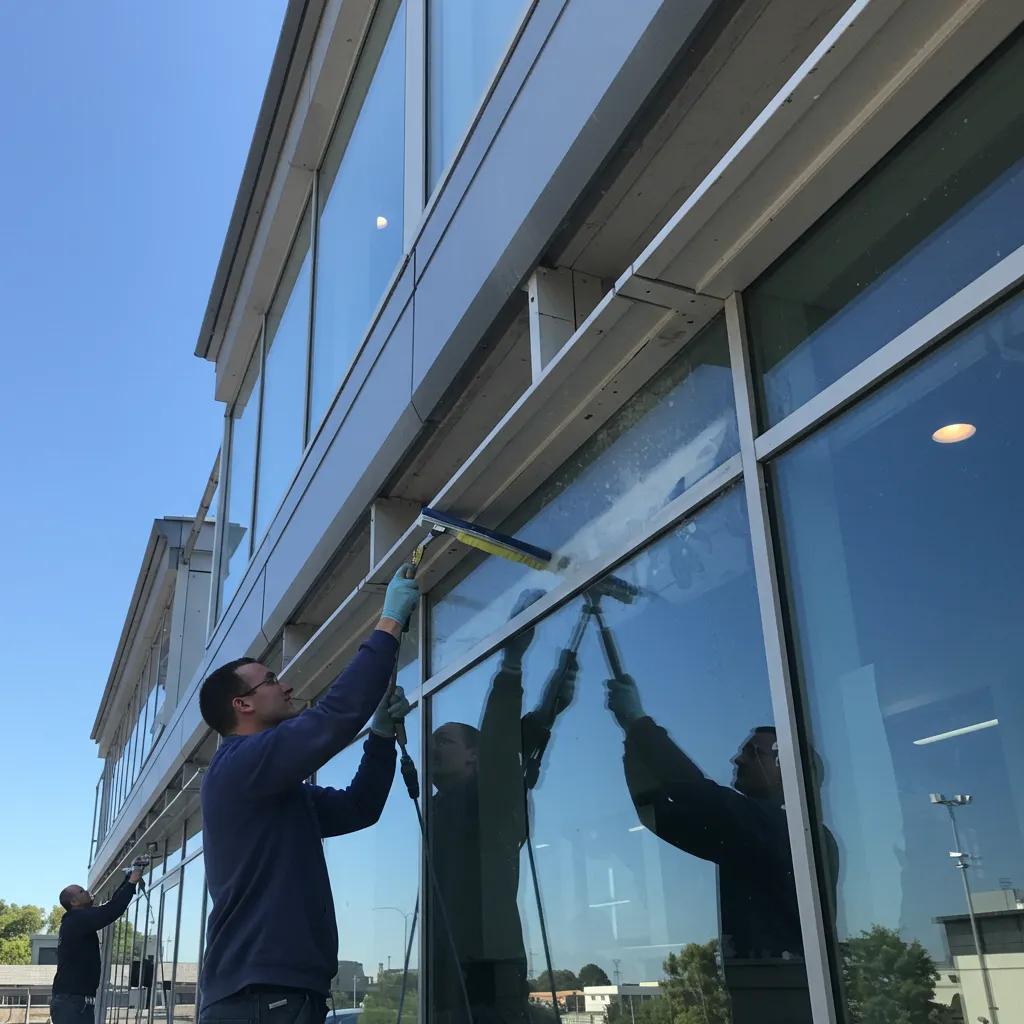
Professional cleaning prevents pollutant build-up, biological growth and abrasive debris from degrading seals, coatings and glazing surfaces, thereby extending lifespan and improving appearance. Cleaning methods designed for glazing bars—soft wash, low-pressure rinse and specialist detergents—preserve seals and coatings while removing deposits that trap moisture. Regular professional cleaning reduces the risk of accelerated corrosion and maintains visual standards for commercial premises. The sections below outline how cleaning protects assets, methods used and recommended frequencies aligned to exposure and use.
How does professional cleaning extend the lifespan and aesthetics of glazing bars?
Accumulated pollutants, bird droppings and organic growth can chemically attack coatings and trap moisture against seals, which accelerates wear and invites corrosion or seal failure. Professional cleaning removes these agents safely, restoring surface condition and preventing long-term damage. Aesthetic benefits are immediate—clear glazing and bright profiles enhance tenant and customer perception—while lifespan extension reduces replacement cycles and lifecycle costs. Implementing cleaning as part of preventative maintenance reduces unplanned interventions and keeps assemblies performing as designed.
The Durability and Service Life of Aluminium in Architectural Applications
The durability of this aluminium architecture should be recognised and celebrated. The timescales for the durability of aluminium are such that the service life of aluminium windows, used by
Aluminium and Durability: reviewed by inspection and testing, 2015
Modern multi-layer facade systems often integrate advanced materials and technologies to enhance performance, and their cleaning requires specific considerations to maintain these features.
Multi-layer Facade Systems: Aluminium Framing and Glazed Panels
The building envelope system comprises prefabricated modular units that integrate monolithic glass panels, thermally broken aluminium framing, automated shading devices, and partitioned cavities engineered to minimise lateral air exchange whilst promoting upward circulation.
The Technological Requalification by the Multi-layer Façade Systems, 2025
What advanced cleaning methods are used for glazed roofs and verandas?
This table maps methods to materials and recommended schedules so facilities teams can match cleaning to surface needs and environmental exposure. The next subsection provides frequency guidance to capture typical decision rules.
How often should commercial glazed roofs with glazing bars be cleaned?
- Baseline: Annual clean for typical commercial sites.
- High-exposure: Bi-annual or quarterly in coastal, polluted or tree-lined sites.
- Condition-based: Immediate clean if staining, ponding or blocked drainage occurs.
Facilities teams can request specialist surface assessments and tailored programmes to set appropriate frequencies. For commercial cleaning solutions, consider Specialised commercial cleaning services for glazed roofs, verandas, and other structures, enhancing aesthetics and extending lifespan. Requesting a cleaning quote from specialist providers helps align maintenance budgets with expected service levels.
What safety and compliance standards apply to commercial glazing cleaning?
Professional cleaning must follow working-at-height regulations, appropriate PPE standards and environmental controls for chemical runoff and waste. Contractors should demonstrate safe access methods, risk assessments for fall protection and procedures for containment of cleaning agents. Compliance with industry best practice and relevant UK working-at-height guidance reduces liability and ensures safe, effective cleaning operations. Documentation of risk assessments and method statements should accompany cleaning programmes to support site safety governance.
Why Choose Expert Glazing Bar Services for Your Commercial Property?
Professional glazing bar services add value through tailored specification, certified installation and maintenance planning that align with commercial performance and budget objectives. The core value proposition is expert risk reduction: correct system selection, reliable installation and scheduled maintenance to protect asset life and minimise operational disruption. This section outlines unique service features, how industry expertise translates into reliability, examples of client satisfaction frameworks and clear next steps to request tailored advice or a quote.
What unique value propositions set professional glazing bar services apart?
Professional services combine site-specific consultation, bespoke system design, certified installation and maintenance contract options to provide end-to-end asset care. These UVPs ensure that glazing bar systems are selected for load, exposure and lifecycle cost, then installed with quality assurance and documented handover. Services often bundle options such as expert survey, installation and inclusion within broader facilities maintenance or commercial cleaning contracts to streamline management. This integrated approach reduces procurement complexity and aligns maintenance schedules with building operations.
How does industry expertise ensure quality and reliability?
Industry expertise is demonstrated through structured site surveys, adherence to standards, systematic QA processes and documented handover materials that enable predictable performance. Experienced teams use inspection checklists, load calculations and materials compatibility checks to avoid specification errors and ensure durable outcomes. Quality assurance includes stage inspections, test checks for seals and drainage, and provision of maintenance guidance for facilities teams. These measures collectively reduce risk and provide evidence for future asset planning.
What do client testimonials reveal about service satisfaction?
Rather than inventing specific testimonials, facilities-focused evidence typically highlights response times, reduction in incident frequency and measurable improvements in asset appearance and thermal performance. A concise testimonial structure for procurement documents emphasises the challenge, solution delivered and quantifiable outcome—such as fewer leaks or extended service intervals—supported by photographic evidence and test results. Presenting succinct project metrics and before/after imagery helps decision-makers evaluate provider performance.
How can you request a tailored quote or expert advice today?
To obtain an accurate quote, prepare basic site details such as structure type (veranda, conservatory, carport), approximate coverage area, preferred material (aluminium, PVC, timber) and any known issues (leaks, corrosion, heavy soiling). Providing access constraints and preferred times for site surveys speeds the assessment process. For professional support, request Expert advice and consultation on glazing bar solutions for various commercial and residential structures. A clear brief and site access enable rapid specification and quotation for installation, maintenance or cleaning services.
This article has outlined the technical reasoning, material comparisons and practical workflows that facilities managers need to specify, install and maintain glazing bar systems effectively. For bespoke guidance, the exact service options referenced above—installation, maintenance and cleaning products—can be requested as part of a tailored facilities programme.