

Blog
Stylish Glazing Bars for Sale – Transform Your Windows Today
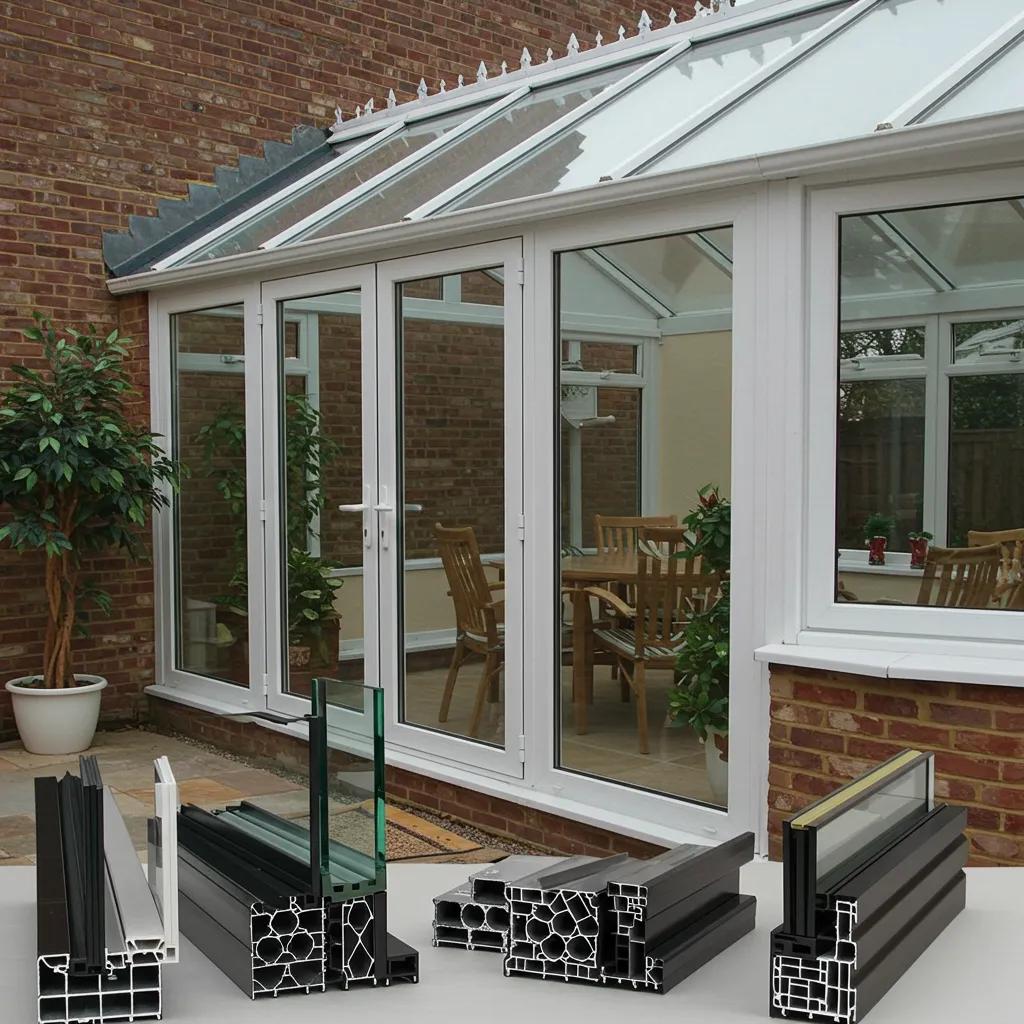
Comprehensive Guide to Glazing Bars: Types, Installation, Maintenance, and Commercial Benefits
Glazing bars are the linear support members that secure glass, polycarbonate, or multiwall panels in rooflights, conservatories, and commercial roof glazing, delivering structural support, weatherproofing, and thermal control for building envelopes. This guide explains what glazing bars are, the materials and system types commonly used across UK commercial projects, and how proper specification, installation, and maintenance reduce lifecycle costs and compliance risk. Readers will learn how to choose between aluminium, PVC, and timber options, when to use self-supporting versus rafter-supported systems, and which accessories and installation steps ensure watertight, durable assemblies. The article also covers proactive maintenance, repair triggers, and how glazing bar decisions affect energy performance and daylighting for workplaces. Finally, practical guidance is provided on requesting accurate quotes and obtaining expert advice, with actionable checklists and EAV comparison tables to support procurement and facilities management decisions. Throughout, target terms such as glazing bars for sale, commercial glazing bar systems UK, and glazing bar repair services for businesses are used to help commercial readers locate relevant solutions.
Commercial Glazing Bars: Types, Install & Care – Glazing Systems Ltd
Glazing bars are structural profiles that hold glazing panels in place and transfer loads to the supporting structure; they create sealed joints and provide a mounting interface for gaskets, pressure plates, and closures. By distributing wind, snow, and dead loads, they prevent panel displacement and leakage while allowing sealed glazing or polycarbonate to meet thermal and acoustic aims. Commercial-grade glazing bars must combine durability, weatherproofing, and compatibility with fire and safety requirements to minimise maintenance and lifecycle costs. Understanding the materials and features of glazing bars is the first step to specifying systems that reduce energy demand and long-term facilities expenditure, which leads into the detailed breakdown of glazing bar functions and materials.
What Is a Glazing Bar and How Does It Support Roof and Window Structures?
A glazing bar is a linear member that clamps, anchors, or supports glazing panels using mechanical fastenings and gaskets, creating a secure edge that transfers loads to rafters or independent support frames. The bar interacts with fixings—screw-down or snap-down profiles—and secondary components such as end caps and F-sections to create a continuous weatherproof line; this system resists uplift, shear, and point loads from traffic or wind. In a typical rooflight installation, the glazing bar secures polycarbonate or glass panels within a pressure plate assembly and seals to a subframe, ensuring the roof assembly performs under dynamic loads. Clear understanding of these attachment and load paths helps specifiers choose between self-supporting and rafter-supported arrangements for specific commercial spans and access conditions.
How Do Glazing Bars Contribute to Structural Integrity and Thermal Efficiency?
Glazing bars contribute to structural integrity by bridging spans, providing lateral support, and fixing points for glazing that reduce deflection and resist wind loads; thermally, modern bars can include thermal breaks or be specified to minimise thermal bridging. A thermally broken aluminium profile, for example, reduces conductive heat transfer compared with an unbroken metal section and supports insulated glazing units or multiwall sheets to improve U-values. Reducing thermal bridging decreases heating and cooling loads and supports compliance with Building Regulations Part L, meaning glazing bar selection directly affects operational energy costs. Considering both structural ratings and thermal performance together ensures glazing systems deliver safety and energy outcomes for commercial buildings.
Which Materials Are Commonly Used for Glazing Bars in the UK?
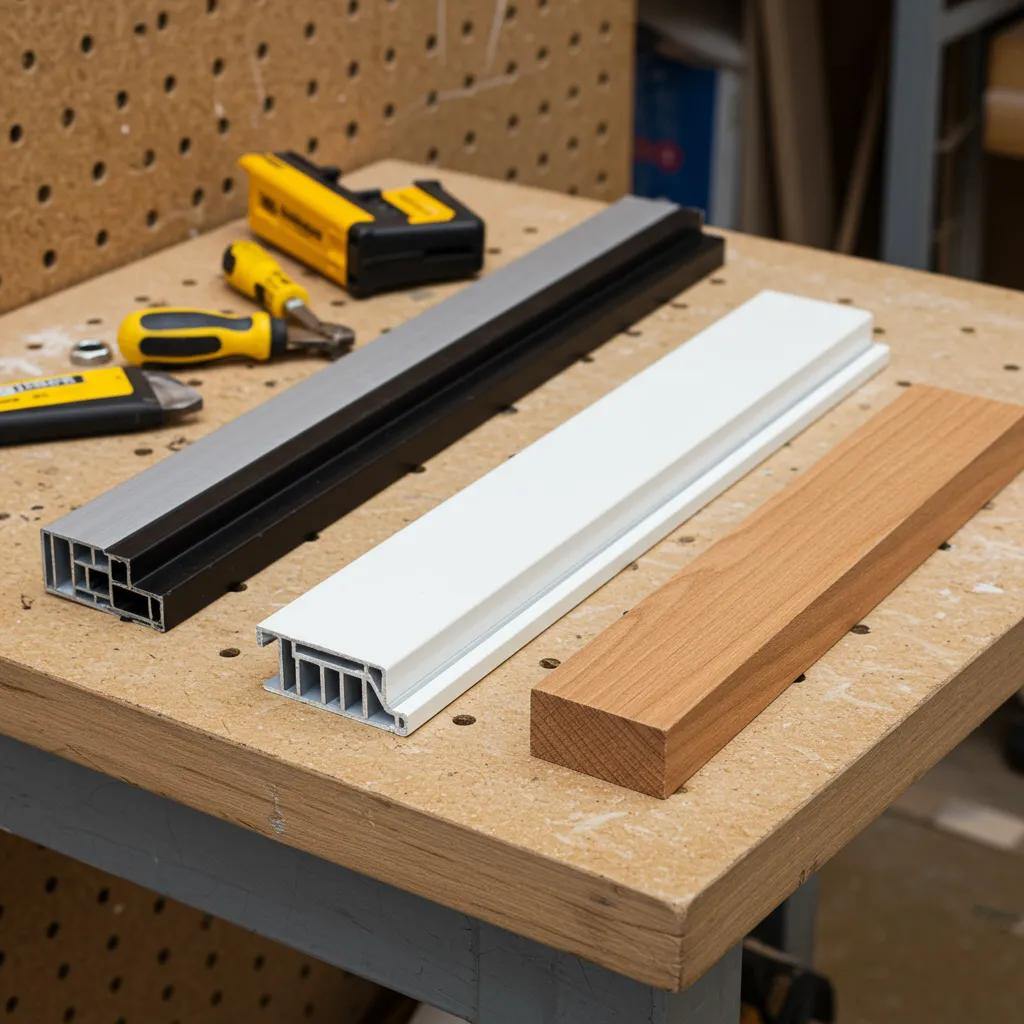
Common glazing bar materials are aluminium, PVC, and timber, each presenting distinct trade-offs in durability, weight, and maintenance for commercial projects. Aluminium offers high strength-to-weight ratios, long spans, and minimal routine upkeep, making it widely used for large roof glazing; PVC is cost-effective and performs adequately for low-span or light-duty applications but can have shorter life expectancy under UV exposure; timber provides aesthetic warmth but requires ongoing maintenance and protective finishes in external settings. Choosing the right material depends on span capability, maintenance budget, and desired longevity, and this material choice informs accessory selection and inspection schedules.
Building Maintenance: Joinery, Corrosion, Plastics, Plasterwork, Renderings, Finishes, Decorations, and Glazing
1. Good-quality joinery should be free from cracks, large or loose knots, and rough or raised grain. The softer, lighter spring grain tends to shrink more, potentially causing the darker, harder autumn grain to become raised on the surface. Careful selection and proper conversion of the timber will help minimise this defect, and a good standard of rubbing down with glasspaper by the painter will also assist. External joinery containing excessive sapwood may deteriorate and shrink, leading to fracture of the paint film. In extreme cases, rot may occur beneath the paint film. It is now well established that external window joinery made from current supplies of redwood (Pinus sylvestris) is prone to decay within a few years due to the presence of a high proportion of sapwood in the timber. Sapwood offers little resistance to wood-destroying fungi and decays rapidly if it remains wet. This has led to the widespread adoption of preservative treatment for redwood joinery timber since the mid-1970s. In contrast, Western red cedar and Douglas fir, which contain no sapwood, possess sufficient natural resistance to decay without preservative treatment.1
… Maintenance Problems and Their Solution—IV: Joinery, Corrosion of Metals, Plastics, Plasterwork, External Renderings, Internal Finishings, Decorations and Glazing, 1987
The choice of material for glazing bars significantly impacts their durability and maintenance needs, with timber requiring more attention than aluminium or PVC.
What Are the Key Features of Commercial-Grade Glazing Bars?
Commercial-grade glazing bars combine weatherproof seals, specified load/span ratings, corrosion-resistant finishes, and compatibility with safety glazing and fire performance requirements. Key features include integrated gaskets or gasket grooves, pressure plate compatibility, specified fixing centres for wind and snow loads, and accessories such as end caps and sheet closures that ensure watertight transitions. These features reduce lifecycle risk by minimising leak points and simplifying repair tasks while supporting warranty and regulatory assurance. Selecting bars with clear specification data and compatible accessories streamlines installation and long-term facilities maintenance planning.
What Types of Glazing Bars Are Best Suited for Commercial Roofs and Conservatories?
Different glazing bar types match different structural and aesthetic needs, with self-supporting bars used where independent spans are required and rafter-supported bars used where existing roof structure provides support. System selection hinges on span, expected loads, glazing material, and required access for maintenance; choosing the correct type reduces installation time and long-term repair frequency. The following table summarises common types with recommended best uses to guide procurement and specification decisions.
This comparison helps specifiers shortlist types that meet structural and maintenance goals before moving into detailed accessory selection and installation planning. Choosing a base type then informs choices between snap-down, screw-down, or duplex assembly methods and between polycarbonate and glass panels.
How Do Aluminium Glazing Bars Benefit Commercial Roof Glazing Systems?
Aluminium glazing bars provide high strength-to-weight performance, corrosion-resistant finishes, and the ability to span wider areas without intermediary support, which reduces secondary framing requirements. Low maintenance demands, compatibility with thermally broken sections, and a range of anodised or powder-coated finishes make aluminium well suited to commercial façades and rooflights where longevity and appearance are priorities. The capacity to accept pressure plates and standard accessory ranges simplifies installation and future repairs, reducing lifecycle interventions. Aluminium’s predictable performance under load and broad accessory ecosystem make it a common choice for durable commercial glazing bar systems.
What Are Self-Supporting vs. Rafter Supported Glazing Bars?
Self-supporting glazing bars are engineered as independent structural elements that carry panel loads across spans without relying on existing rafters, while rafter-supported bars are fixed to existing roof timbers or steelwork and distribute loads through the building’s structure. Self-supporting systems reduce dependence on substrate condition and can speed installations in new builds, but they typically require engineered foundations and precise alignment. Rafter-supported systems can be a cost-effective retrofit solution where rafters are suitable, yet they demand careful survey work to ensure rafters meet load and spacing requirements. Deciding between these options depends on project constraints such as access, existing structure condition, and budget.
When Should You Choose Polycarbonate or Glass Glazing Bars for Commercial Use?
Polycarbonate glazing systems are preferred where impact resistance, low weight, and cost efficiency are priorities, while glass systems are chosen for superior thermal performance, clarity, and a higher-end aesthetic. Polycarbonate reduces load on glazing bars and simplifies handling, making it suitable for areas exposed to risk of impact or where lightweight support is advantageous. Glass delivers better U-values when used with insulated units and supports daylight quality and acoustic performance desirable in offices and retail spaces. The final choice should weigh security, insulation, maintenance frequency, and occupant comfort to align with overall building performance goals.
What Are the Differences Between Snap-Down, Screw-Down, Astragal, and Duplex Glazing Bars?
Snap-down systems enable rapid panel retention through clip and pressure plate interaction, reducing labour time but requiring compatible profiles and gaskets; screw-down systems use mechanical fasteners for a secure, adjustable retention suited to heavier panels. Astragal bars provide a decorative and structural cover at midrails or vertical joints, improving weathering and appearance in partitioned roof glazing; duplex bars combine two different profiles to accommodate complex thicknesses or system transitions. Each method affects installation speed, reparability, and long-term sealing strategy, so selection should consider maintenance access and expected frequency of panel replacement.
How Is Professional Glazing Bar Installation Conducted for Commercial Properties?
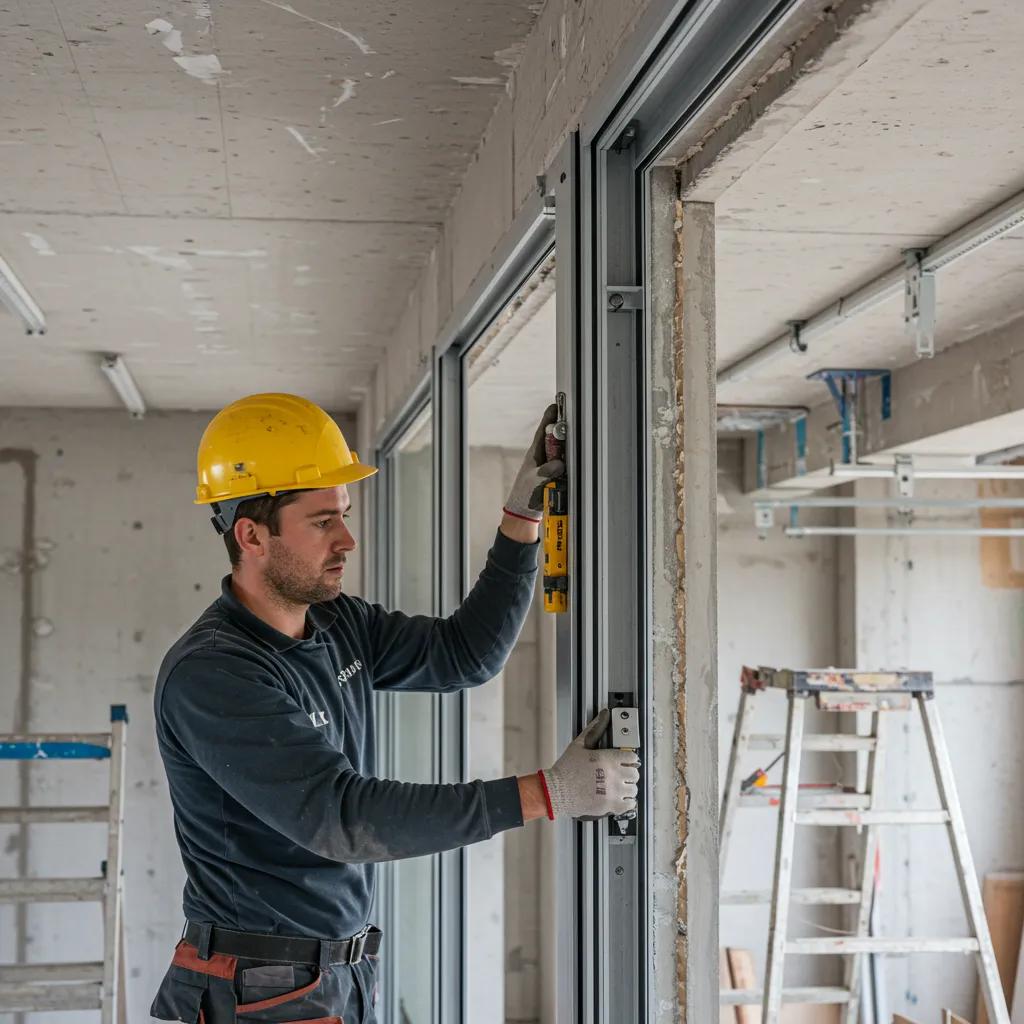
Professional glazing bar installation follows a defined sequence from site survey through specification, preparation, secure fixing, and post-installation testing, ensuring compliance with structural and thermal requirements. Certified installers manage risk areas such as substrate compatibility, watertight sealing, and safe working at height, and they install accessories like end caps, F-sections, and sheet closures to complete the assembly. Using trained installers reduces warranty and compliance risk and often improves long-term performance compared with ad hoc installations. Below is a stepwise account of the typical installation workflow and the accessories that must be specified and ordered.
What Are the Steps Involved in Installing Commercial Glazing Bar Systems?
Installation begins with a thorough site survey and load assessment, followed by detailed specification of bar type, glazing material, and accessories to meet performance targets. Preparation includes substrate repair, setting out battens or subframes, and confirming fixing centres before panels are laid and secured with pressure plates or snap-down profiles. Sealing, flashing, and accessory installation—such as end caps, F-sections, and sheet closures—come next to ensure weathertightness, with final testing, drainage checks, and handover documentation completing the process. Proper sequencing and quality checks at each stage prevent rework and reduce long-term maintenance calls.
Why Is Professional Installation Critical for Compliance and Longevity?
Professional installation ensures that systems meet regulatory and manufacturer specifications, minimising the risk of leaks, premature corrosion, or structural failure, and it allows access to warranties that depend on certified workmanship. Certified fitters understand where thermal breaks and expansion joints must be provided, how to fasten into specific substrates, and how to document compliance for Building Regulations and standards. Avoiding non-specialist installation reduces emergency repairs and supports predictable lifecycle planning, which benefits facilities managers seeking to control long-term costs. This regulatory and warranty protection is central to ensuring that glazing bar investments deliver expected performance.
How Do Installation Methods Vary Between Self-Supporting and Rafter Supported Systems?
Self-supporting systems require engineered base supports, precise alignment, and independent load transfer, often involving fabricated support rails and continuous bearings, whereas rafter-supported installations fasten directly to existing rafters or purlins and must account for rafter condition and spacing. Installation times can differ significantly: self-supporting setups may take longer upfront due to engineered supports but simplify panel handling; rafter-supported methods can be quicker when rafters are accessible and in good condition. Inspection access and future maintenance routes differ too, so installation method influences long-term facilities planning and repair logistics.
What Accessories Are Needed for Effective Glazing Bar Installation?
Accessories such as end caps, F-sections, sheet closures, gaskets, and pressure plates complete a glazing assembly by sealing terminations, supporting panel edges, and accommodating differing sheet thicknesses. Choosing compatible accessories ensures panel retention and watertightness while allowing for thermal movement and maintenance access. The table below summarises common accessories, their function, and compatibility to aid procurement planning.
Selecting the right accessories with the specified glazing bars reduces site delays and rework, and it helps installers deliver the watertight performance required by commercial specifications. Professional installers typically advise on accessory selection and fitment to match panel thickness and exposure.
Integration note: For clients seeking full-service delivery, products such as Installation services and Glazing bar accessories (end caps, F-sections, sheet closures) are available to support supply and fit packages, and Expert advice can be requested to confirm specification choices and compliance. Parties interested in an installation quote are encouraged to prepare specification details and request a tailored installation quote.
How Can Glazing Bar Maintenance and Repair Improve Facilities Management Outcomes?
Proactive glazing bar maintenance and timely repairs reduce emergency call-outs, limit water damage, and extend the useful life of glazing systems, contributing to lower total cost of ownership across a building portfolio. Scheduled inspections identify early signs of seal failure, corrosion, or movement, enabling targeted repairs that prevent escalation into structural or interior damage. Integrating glazing bar care into facilities maintenance programmes ensures predictable budgeting and improves asset reliability for property managers. The sections below outline best practices, cost-benefit logic, and typical contract inclusions for FM integration.
What Are the Best Practices for Maintaining Commercial Glazing Bars?
A recommended maintenance regime includes biannual visual inspections, annual detailed checks of seals and fixings, and scheduled cleaning appropriate to the glazing material to prevent debris accumulation and seal degradation. Cleaning methods should match panel material—mild detergents for glass, manufacturer-recommended cleaners for polycarbonate—and inspections should document corrosion, seal adhesion, and movement for FM records. Maintaining an inspection log and repair history enables trend analysis and scheduled renewals rather than reactive repairs. This disciplined approach feeds into lifecycle planning and supports ongoing building performance objectives.
How Does Regular Glazing Bar Repair Reduce Long-Term Facilities Maintenance Costs?
Small repairs—such as gasket replacement, tightening loose fixings, or replacing end caps—prevent water ingress that can lead to insulation degradation, internal finish replacement, and structural repairs, which are far more costly. By addressing faults early, facilities teams reduce emergency contractor costs, avoid tenant disruption, and maintain energy performance, producing measurable savings over a 5–10 year horizon. A preventative strategy typically yields a favourable ROI when compared with reactive maintenance due to reduced downtime and lower material/labour escalation. Demonstrating these savings helps justify including glazing bar work in FM budgets.
How Are Glazing Bars Integrated into Broader Facilities Maintenance Contracts?
Glazing bar care can be included as line items within FM contracts, covering scheduled inspections, cleaning cycles, minor repairs, and managed replacement works with agreed SLAs for response times and quality. Typical contract inclusions are inspection reports, cleaning schedules, emergency repair response, and planned replacement windows tied to asset condition assessments. Recommended SLA metrics include response time for leaks, completion windows for minor repairs, and annual condition reporting. Integrating glazing services streamlines vendor management and helps facilities teams consolidate invoicing and performance oversight.
What Are Common Signs That Glazing Bars Need Repair or Replacement?
Early-warning indicators include visible sealant cracking, water staining around joints, corrosion or pitting on metal profiles, movement or misalignment of panels, and persistent condensation that suggests seal failure. Observing loose or missing fixings, torn gaskets, or uplifted end caps also signals the need for intervention before structural problems arise. Grading urgency helps prioritise works—immediate for active water ingress, planned for cosmetic corrosion, and monitored for gradual seal deterioration. Clear diagnostic checklists simplify decision-making for FM teams and reduce the likelihood of emergency escalation.
Integration note: Facilities teams can streamline lifecycle care by combining Glazing bar repair services and Facilities maintenance services under a single procurement approach, using Quote requests to obtain inspection-based repair proposals. This integrated approach reduces admin overhead and helps secure planned maintenance budgets.
What Are the Energy Efficiency and Aesthetic Benefits of Modern Glazing Bar Systems?
Modern glazing bar systems improve thermal performance through thermally broken profiles, compatible insulated glazing, and reduced thermal bridging, while also enabling design choices that maximise daylight and enhance visual appearance. Improved U-values and daylighting reduce operational energy use and support occupant wellbeing, which can improve productivity and tenant satisfaction. Aesthetic enhancements—slim sightlines, coordinated finishes, and integrated sensor mounts for smart glazing—support brand presentation and asset value. Below is an EAV-style comparison of systems linking thermal performance to maintenance frequency and expected lifespan to aid ROI discussions.
This comparison supports energy audits by linking system choice to inspection cadence and lifecycle expectations, enabling clearer ROI calculations for upgrades or replacements. Improving glazing performance often delivers rapid payback through lower heating and cooling demand, particularly when combined with building energy management measures.
How Do Energy Efficient Glazing Bars Reduce Operational Costs in Commercial Buildings?
Energy efficient glazing bars reduce operational costs by lowering heat loss through reduced thermal bridging and supporting insulated glazing, which reduces heating demand and stabilises internal temperatures. Even modest improvements to U-values across extensive roof glazing can materially cut energy use in large commercial spaces, supporting compliance with Part L requirements and corporate net-zero ambitions. Combined with daylighting strategies, efficient glazing reduces reliance on electric lighting during occupied hours, multiplying energy savings. These mechanisms make glazing bar upgrades an effective lever in whole-building energy reduction plans.
In What Ways Do Glazing Bars Enhance Natural Light and Workspace Environment?
Glazing bars enable controlled daylighting by supporting large spans and slim sightlines that increase usable daylight while their profiles and overhangs can be specified to reduce glare and overheating. Increased natural light has been linked to occupant wellbeing and productivity improvements, and careful material and finish choices help maintain visual comfort. Integrating shading, low-e coatings, and daylight sensors into glazing assemblies further optimises light distribution and reduces artificial lighting loads. Thoughtful design ensures glazing supports both aesthetic aims and operational comfort in commercial environments.
How Do Glazing Bars Influence Commercial Property Value and Brand Image?
High-quality glazing bars and contemporary glazing systems improve façade appearance, signal investment in building fabric, and contribute to tenant attraction and retention by delivering modern, light-filled spaces. Upgrading glazing systems can be highlighted in leasing materials as energy efficiency and comfort improvements, supporting valuation uplift and competitive positioning in rental markets. Maintenance records and compliance documentation tied to glazing upgrades also de-risk transactions for prospective tenants and owners. These value-add arguments are increasingly persuasive in markets focused on ESG and occupant experience.
What Role Do Glazing Bars Play in Smart Building Integration?
Glazing bars can be specified with provision for sensor mounts, wiring channels, and interfaces for dynamic glazing or motorised shading, enabling integration with building management systems for temperature, daylight, and occupancy control. This physical provision simplifies retrofitting of sensors and actuators, supporting advanced energy management strategies and automated comfort control. Compatibility with BMS platforms enhances the ability to monitor glazing performance and schedule maintenance based on real-time data. Future-proofing glazing runs through considering these integration points at specification stage to reduce retrofit disruption.
Integration note: Facilities teams seeking to quantify savings can request an energy audit or Quote requests that bundle Facilities maintenance services with Expert advice to evaluate glazing upgrades against operational energy targets.
How Can Businesses Request Quotes and Obtain Expert Advice on Glazing Bar Solutions?
Accurate quotes require a clear package of site information, glazing specifications, and access considerations so suppliers and installers can provide reliable scope, costs, and lead times. Expert consultations help align structural, thermal, and aesthetic requirements and can include recommendations for supply, install, ongoing maintenance, and cleaning to create a lifecycle plan. Preparing the following details expedites quoting and supports tighter proposals from suppliers and installers.
Businesses should prepare the following information before requesting a glazing bar quote:
- Site type and location description, including roof pitch and accessibility details.
- Measurements or elevations, with approximate panel sizes and spans indicated.
- Glazing material preference (glass, polycarbonate, multiwall) and panel thickness.
- Photographs showing existing substrate, rafters, and perimeter conditions.
- Desired finish and any regulatory or aesthetic constraints.
Providing these items accelerates accurate proposals and reduces the need for follow-up surveys. Supplying clear information helps specialists produce quotes that include supply, install, maintain, and clean options, making it easier to compare lifecycle costs.
What Information Is Needed to Request a Quote for Commercial Glazing Bar Projects?
To obtain a precise quote, include measured drawings or clear scaled photos, panel types and thicknesses, expected loadings, site access limitations, and requirements for compliance or certification. Details about desired finish, warranty expectations, and whether the project includes demolition or substrate repair are also essential. Listing preferred accessories such as end caps, F-sections, and sheet closures accelerates pricing consistency. This completeness reduces uncertainty and helps suppliers produce fixed-price proposals rather than provisional estimates.
How Does Expert Advice Help in Selecting the Right Glazing Bar System?
Expert advice provides technical matching between building loads, desired performance, and appropriate glazing bar systems, ensuring the selected solution balances span capability, thermal performance, and maintenance requirements. Consultants and experienced installers can recommend trade-offs—for instance choosing a thermally broken aluminium section to meet Part L while retaining slim sightlines—and can forecast maintenance impacts and warranty implications. This de-risking translates into lower total cost of ownership and clearer asset management plans. Technical advice also clarifies compliance documentation needs for procurement.
What Are the Advantages of Integrated Facilities Maintenance and Commercial Cleaning Services?
Combining glazing bar upkeep with facilities maintenance and commercial cleaning services reduces vendor management, creates synergies between cleaning and inspection schedules, and often delivers cost savings through bundled pricing and consolidated SLAs. Integrated providers can align deep-clean cycles with seal inspections, ensuring that cleaning does not inadvertently damage seals or gaskets while enabling simultaneous minor repairs. Consolidation simplifies invoicing and performance reporting for property managers and provides single-point accountability for glazing condition and cleanliness. These operational efficiencies support predictable asset stewardship.
Where Can You Find Reliable Glazing Bar Suppliers Near Me in the UK?
When vetting suppliers, request evidence of compliance with relevant standards, portfolio case studies for similar commercial projects, and references from other facilities managers to assess capability and reliability. Check for demonstrable knowledge of UK regulations such as BS 5516 and Building Regulations requirements, and request detailed product datasheets and accessory compatibility statements. Industry associations and published technical resources can aid due diligence and help verify supplier credentials. A structured supplier selection process reduces procurement risk and improves installation outcomes.
Integration note: Businesses that need assistance can request Quote requests and Expert advice to assemble a supply and installation package; available services include Glazing bars (aluminium, PVC, timber, rafter-supported, self-supporting, snap-down, screw-down, astragal, duplex), Installation services, Facilities maintenance services, and Commercial cleaning services to form end-to-end offerings.
What UK Regulations and Standards Govern Commercial Glazing Bar Installation and Maintenance?
A sound understanding of relevant UK standards and Building Regulations—such as BS 5516 for patent glazing and the Approved Documents for Part L and Part K—guides safe, compliant specification and installation of glazing bars. These standards influence choices around structural performance, thermal requirements, and safety glazing, and they should be consulted early in project planning. Compliance reduces liability and supports predictable long-term maintenance and warranty performance. The subsections below summarise key regulatory considerations and practical checklists for specifiers and maintenance teams.
What Is BS 5516 and How Does It Affect Glazing Bar Systems?
BS 5516 addresses design, installation, and maintenance of patent glazing and sloping glazing, calling for appropriate workmanship, drainage, gasket selection, and load considerations. For glazing bars, this standard emphasises correct detailing at abutments, appropriate fixing methods, and adequate provision for movement and drainage to prevent water ingress. Specifiers should ensure that product and installation details align with BS 5516 clauses for performance and longevity. Following BS 5516 provisions protects building owners by reducing installation defects and improving long-term reliability.
How Do UK Building Regulations Impact Glazing Bar Selection and Installation?
Building Regulations influence glazing choices through Part L (energy) and Part K (protection from falling/impact), requiring that glazing assemblies meet thermal efficiency targets and that safety glazing is specified where necessary. Part L encourages selecting thermally efficient profiles and insulated units, while Part K requires impact-resistant glazing or guarding where panels are accessible or at low levels. Documenting compliance and providing thermal calculations or test evidence as part of the specification helps ensure approvals and avoids costly redesigns. Early regulatory consideration informs balanced choices between performance and cost.
What Safety and Fire Resistance Requirements Apply to Commercial Glazing Bars?
Safety glazing and fire performance requirements depend on location and use: impact-resistant glazing may be required in circulation zones, and fire resistance or integrity can be relevant for certain roof assemblies in multi-occupancy buildings. Glazing bars and assemblies must support the required safety glazing types and maintain performance under exposure, including secure fixings and appropriate sealing to prevent smoke or flame spread where specified. Regular inspection and maintenance ensure that safety and fire-performance characteristics remain effective over the asset lifecycle. Incorporating these factors into procurement avoids non-compliance and enhances occupant safety.
How Does Compliance Improve Long-Term Building Performance and Maintenance?
Adhering to standards and regulations lowers liability, improves durability, and simplifies handover documentation, which benefits both asset value and ongoing facilities management. Compliant systems are easier to maintain because they are designed with appropriate drainage, movement allowance, and accessible fixings, reducing the frequency of emergency interventions. Documented compliance also supports warranty claims and smoothes future refurbishment or audit processes. Integrating regulatory requirements into early specification and maintenance planning yields clearer performance expectations and more predictable lifecycle costs.